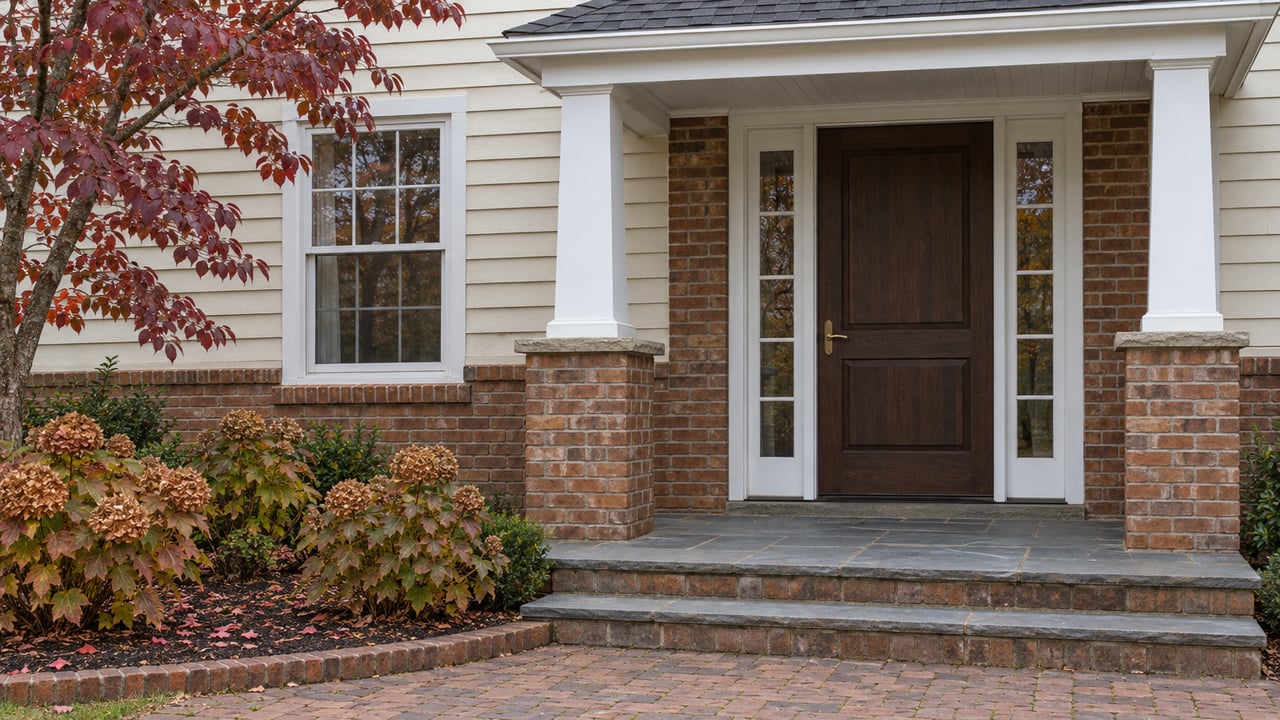
Thinking about selling your current home while buying your next one in Montgomery County? That sounds simple on paper, but in a market where buyers have more choices and timing matters, a move-up sale takes more than putting a sign in the yard. If you want to protect your price, reduce stress, and line up your next move with confidence, you need a plan that starts well before launch. Let’s dive in.
Why timing matters now
Montgomery County is still a high-value market, but it is not moving at the same speed many sellers saw during the tightest pandemic-era years. According to the Greater Capital Area Association of REALTORS® market data, the combined Montgomery County and DC market had 3,442 active listings and 2.6 months of supply in February 2026, while Montgomery County posted a median sold price of $606,750 and 40 average days on market.
That is a different environment from April 2025, when GCAAR reported a county median sold price of $670,000 and 19 average days on market. For you as a move-up seller, that means presentation, pricing, and early strategy matter more than assuming limited inventory will do the work for you.
Build your sale plan early
A realistic move-up strategy usually starts 8 to 12 weeks before your home goes live. That gives you time to make better decisions without rushing through repairs, pricing, or purchase planning.
If you are also buying your next home, this early window matters even more. Your listing prep, lender conversations, and moving timeline should all work from one calendar.
8 to 12 weeks before launch
This is the planning phase. You should use this time for pricing consultation, repair triage, decluttering, staging decisions, and lender coordination if your next purchase depends on the sale.
Because local days on market have recently ranged from 19 to 40 days, it helps to plan for several weeks of active marketing, not just the launch weekend. Starting before photography is what gives you room to prepare properly.
1 to 3 weeks before launch
This is the final presentation window. Focus on deep cleaning, staging installation, visible touch-ups, and scheduling professional media.
That effort is worth it. In the National Association of REALTORS® 2025 staging report, buyers’ agents ranked photos, physical staging, videos, and virtual tours as highly important to the home search process.
First few weeks on market
Once your home is live, the first few weeks matter most for feedback and adjustments. If showings are light or buyers keep making the same comments, that usually points to price, condition, presentation, or terms.
In a more balanced market, waiting too long to respond can cost momentum. A strong listing strategy includes regular feedback review and a willingness to make smart updates early.
After contract acceptance
Under contract does not mean autopilot. This phase is about financing, title work, inspections, payoff information, and coordinating the sale with your next closing.
For move-up sellers, this is where transaction management becomes critical. Your lender and settlement company need to stay aligned with your listing timeline so your sale and purchase can work together.
Price by home type, not county averages
One of the biggest pricing mistakes move-up sellers make is relying too much on broad countywide numbers. Montgomery County includes a wide range of housing types and price points, so averages only tell part of the story.
According to a Montgomery County economic briefing, in Q4 2024 detached homes with four or more bedrooms averaged $1,079,452, attached homes with four or more bedrooms averaged $741,339, and condos or co-ops averaged $406,730. That spread is exactly why move-up homes should be priced using recent comparable sales with similar size, style, location, and finish level.
What accurate pricing looks like
A smart pricing strategy should look at:
- Recent sales of similar property types
- Comparable bedroom count and square footage
- Level of updates and overall condition
- Lot characteristics and location within the local area
- Current competition that buyers will compare side by side
If your home falls into a higher price tier, broad median numbers matter even less. The closer your pricing analysis gets to your true buyer pool, the stronger your launch position will be.
Use staging to support your price
Staging is not about making your home look generic. It is about helping buyers understand the space quickly and positively, especially online.
The NAR 2025 Profile of Home Staging found that 29% of agents said staging led to a 1% to 10% increase in the dollar value offered, and 49% said staging reduced time on market. The same report noted a median staging service cost of $1,500.
Where to focus your effort
The report found the most commonly staged rooms were:
- Living room
- Primary bedroom
- Dining room
- Kitchen
It also highlighted common prep steps that matter before launch:
- Decluttering
- Deep cleaning
- Improving curb appeal
For busy move-up sellers, the goal is not perfection. The goal is to remove distractions, highlight function, and make your home easier to imagine as someone else’s next step.
Invest in strong listing media
Today, your online presentation is often your first showing. If the photos are weak or the listing feels incomplete, buyers may scroll past before they ever schedule a tour.
That is why professional photography, video, and virtual-tour assets matter. The same NAR staging research supports a media-rich launch, especially for sellers who want fewer disruptions and better-qualified showings.
A better marketing approach for busy households
If you are juggling work, family, and a future purchase, your showing plan should be practical as well as polished. Strong media can help create interest early, support your asking price, and make the home easier to evaluate before buyers arrive in person.
That can mean fewer wasted showings and better momentum in the first phase of your listing. In a market where buyers have more time to compare homes, that first impression carries real weight.
Clear legal and county items early
Move-up sellers in Montgomery County should clear paperwork and required disclosures before the home hits the market. This helps reduce surprises later, especially if your next purchase depends on clean timing.
Maryland uses a Residential Property Disclosure/Disclaimer Statement. Sellers may disclose known defects or sell with a disclaimer, but known latent defects still must be disclosed, including in an as-is sale. The form also asks whether improvements were properly permitted, so gathering permit records early is a smart step.
Older home requirements
If your home was built before 1978, federal lead-based paint disclosure rules may apply before the sale. Sellers must disclose known information and provide the required pamphlet.
This is worth handling before launch, not after you are already negotiating a contract. It is one more reason why advance planning matters.
Montgomery County radon testing
Montgomery County requires a radon test before completing the sale of many single-family homes, including detached homes and townhomes that are not part of a condo or co-op regime, subject to listed exceptions. The test must be performed up to one year before settlement.
Because this is county-specific, it should be part of your prep checklist early in the process. Leaving it to the last minute can create avoidable delays.
Know your net before you list
For move-up sellers, sale price is only part of the equation. What really shapes your next purchase is net proceeds after taxes, fees, payoff amounts, and contract-related costs.
Montgomery County’s land records information notes deed transfer documentation requirements, and the county uses tiered recordation tax rates with premium tiers for higher sale prices. That means your net sheet should be prepared early so you can plan your down payment, reserves, and moving strategy with realistic numbers.
A simple flat closing-cost estimate is usually not enough for a higher-value sale. The final number depends on the property, the contract terms, and the settlement process.
Coordinate the sale and purchase together
The best move-up strategy is coordinated from day one. Your listing timeline, mortgage plan, and purchase timeline should support each other.
If you are hoping to buy before you sell or avoid a temporary move, early lender guidance is essential. According to Fannie Mae guidance on bridge or swing loans, this type of financing can be an acceptable source of funds if it meets specific conditions, including documentation of your ability to carry the related payments and obligations.
Start mortgage planning early
Even if you do not use bridge financing, you still want clarity on your purchase-side numbers early. The Consumer Financial Protection Bureau explains that the Loan Estimate and Closing Disclosure are the key forms for comparing mortgage costs and understanding cash to close.
That gives you a practical reason to start lender conversations before your listing reaches the final stretch. When you know your buying power, likely cash needs, and timing options in advance, you can make stronger decisions on both sides of the move.
A practical move-up checklist
If you want a smoother sale in Montgomery County, focus on this sequence:
- Start planning 8 to 12 weeks before launch
- Price from same-type comps, not countywide averages alone
- Complete decluttering, repairs, and staging prep early
- Invest in professional photos and strong online presentation
- Review disclosures, permits, and lead-based paint requirements
- Schedule radon testing if your property requires it
- Prepare a realistic net sheet before setting your next-home budget
- Coordinate your lender, settlement company, and listing strategy on one timeline
Selling a move-up home is not just about listing well. It is about making your sale, purchase, and finances work together with as little friction as possible.
If you want a clear, client-centered plan for selling your current home and preparing for what comes next in Montgomery County, Jonathan Rundlett can help you build the right strategy from pricing through closing.
FAQs
How long does it take to sell a move-up home in Montgomery County?
- Recent GCAAR data showed Montgomery County average days on market ranging from 19 days in April 2025 to 40 days in February 2026, so you should plan for several weeks of active marketing plus pre-listing preparation time.
How should you price a move-up home in Montgomery County?
- You should price from recent comparable sales of similar homes by property type, size, condition, and local area rather than relying on broad county median prices alone.
What should sellers do before listing an older Montgomery County home?
- Sellers should review Maryland disclosure paperwork, gather permit information for improvements, and handle any required pre-1978 lead-based paint disclosures before going live.
Does Montgomery County require radon testing before a home sale?
- Yes, Montgomery County requires a radon test before completing the sale of many single-family homes, including detached homes and certain townhomes, subject to listed exceptions.
When should move-up sellers talk to a lender before buying the next home?
- You should talk to a lender early in the process, ideally during the pre-listing planning stage, so you understand your financing options, cash to close, and timing before your sale is under contract.