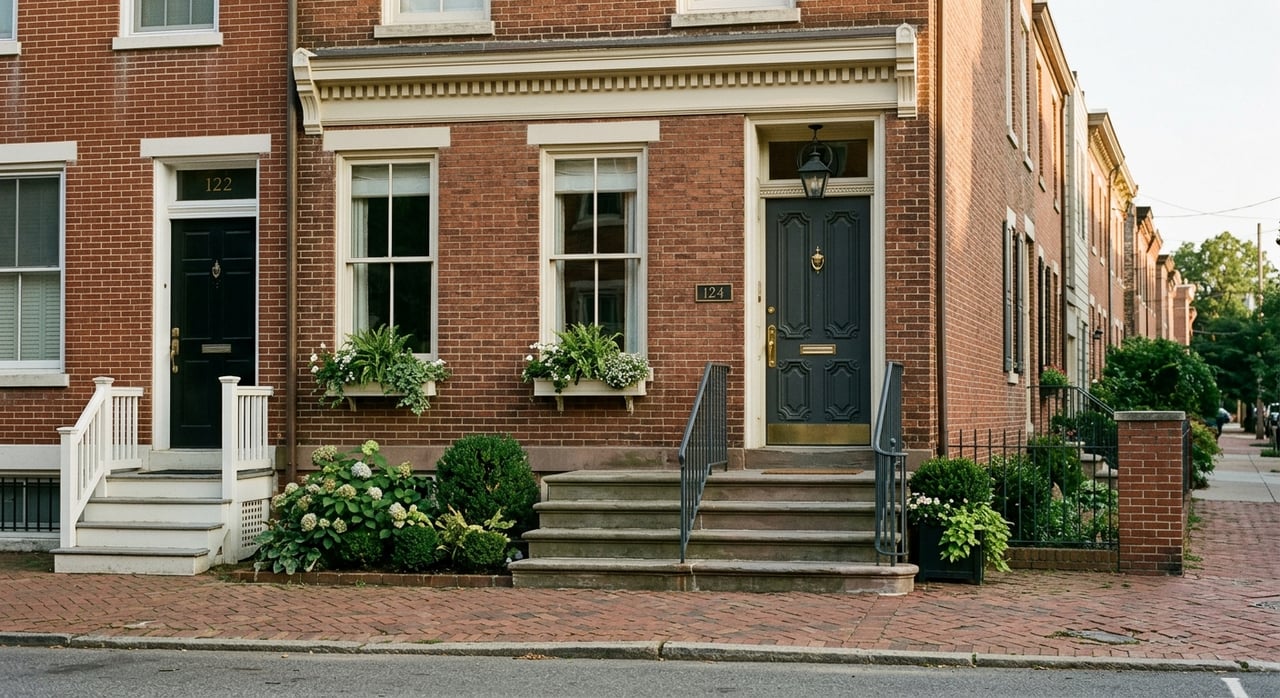
If you are trying to decide between a Baltimore rowhouse and a suburban-style home, you are really choosing how you want your everyday life to feel. Some buyers want coffee shops, restaurants, and errands a short walk away. Others want more separation between homes, a driveway, or a larger yard. In Baltimore, that choice often comes down to city living versus county living. This guide will help you compare the lifestyle tradeoffs so you can move forward with more clarity. Let’s dive in.
Rowhouse vs suburban home
In the Baltimore area, the housing stock tells a clear story. In Baltimore City, 1-unit attached homes, which are mostly rowhouses, make up 50.8% of housing units, while detached homes account for 15% according to the city’s 2025-2030 Consolidated Plan. In Baltimore County, detached homes are the largest housing type at 47%, while attached townhouses account for 24%.
That means this is not just a question of architecture. It is often a question of whether you want a more urban, walkable setup or a more car-oriented, detached-home pattern. Of course, Baltimore is not one uniform market, and the feel can change block by block.
What daily life looks like
Your home choice shapes how you move through the day. It affects how often you drive, where you park, how much yard work you do, and how connected you feel to the street around you.
For many buyers, the biggest difference is not square footage alone. It is the rhythm of life outside your front door.
Rowhouse lifestyle in Baltimore City
Baltimore rowhouses often appeal to buyers who want a more connected, street-level experience. In many city neighborhoods, shops, dining, and entertainment are woven into daily life. If you like the idea of walking to dinner or handling errands without always getting in the car, a rowhouse may fit your lifestyle well.
Baltimore City has an average Walk Score of 64 and a Transit Score of 53, and several core rowhouse areas score much higher. Walk Score data for Baltimore shows Downtown and Mount Vernon at 98, Fells Point at 96, Federal Hill-Montgomery at 96, and Canton at 89. Those numbers support what many buyers already sense when touring the city: some neighborhoods are built for getting around on foot.
Suburban-style living in the county
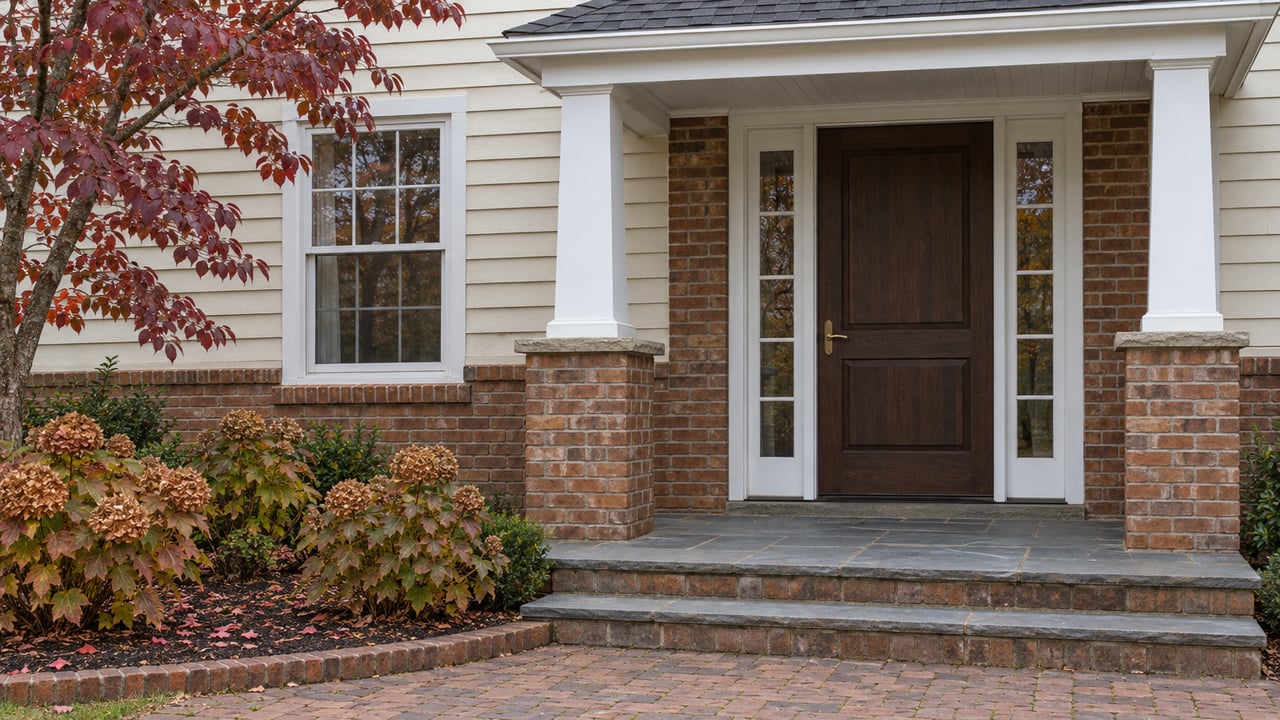
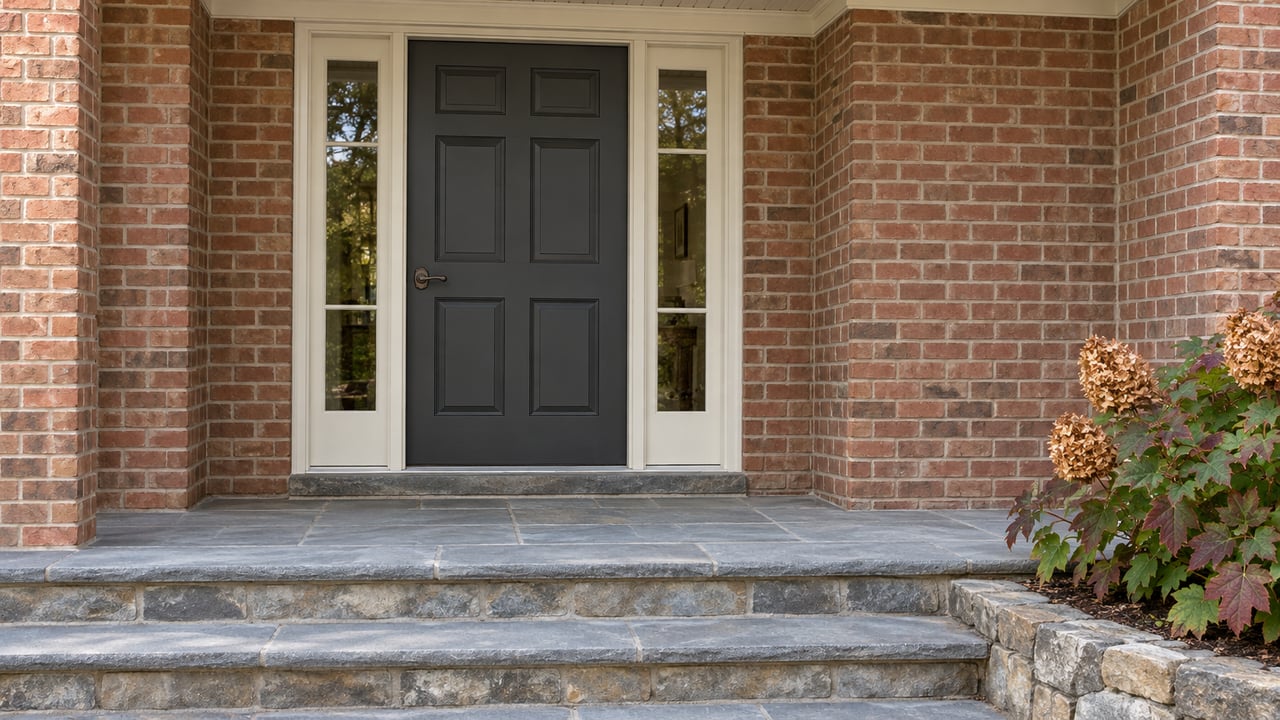
A suburban-style home often gives you more physical separation between homes and a stronger chance of features like a driveway or a larger yard. Baltimore County’s housing mix leans more heavily toward detached homes, and its ownership patterns are different too.
According to U.S. Census QuickFacts for Baltimore City, Baltimore City’s owner-occupied rate is 47.5%. The same source notes that Baltimore County’s owner-occupied rate is 66.4%, with a higher median owner-occupied home value. Household size also differs, averaging 2.16 people in the city and 2.50 people in the county, which helps explain why many buyers associate the county with a more spacious, owner-occupied pattern.
Walkability or driving
One of the best ways to make this decision is to think about transportation first. Ask yourself how you want your week to work, not just your weekends.
If you want to walk to more of your day-to-day needs, the city has a clear edge in many rowhouse neighborhoods. If you expect to drive for most errands and want easier car storage, a suburban-style home may feel more natural.
When a rowhouse makes sense
A rowhouse may be the better fit if you want:
- Shorter walks to dining, shops, and daily errands
- Better access to transit in more central areas
- A more urban street presence
- Historic character and attached-home design
- Less emphasis on private outdoor space
When a suburban home makes sense
A suburban-style home may be the better fit if you want:
- More detached living
- A higher chance of having a driveway
- Larger private outdoor space
- More separation between homes
- A lifestyle that is less dependent on walkability
Parking and car ownership
Parking is one of the most practical differences between these two options. It may not be the first thing you think about, but it can shape your routine in a big way.
Baltimore City code states that rowhouse or multi-family dwellings have no minimum parking requirement, and the city restricts off-street parking in required front or corner yards in certain residential districts. In many residential parking areas, non-permit holders are limited to two hours, according to the Baltimore City code. In real life, that often means rowhouse living involves street parking, alley access, and permits rather than a guaranteed private parking space.
If you own multiple cars, commute by car every day, or strongly prefer pulling into your own driveway, this is worth weighing carefully. On the other hand, if you use your car less often and value being near neighborhood amenities, parking may feel like a manageable tradeoff.
Outdoor space and privacy
Outdoor space looks very different in a rowhouse setting than it does in a more suburban one. That difference can matter just as much as the interior layout.
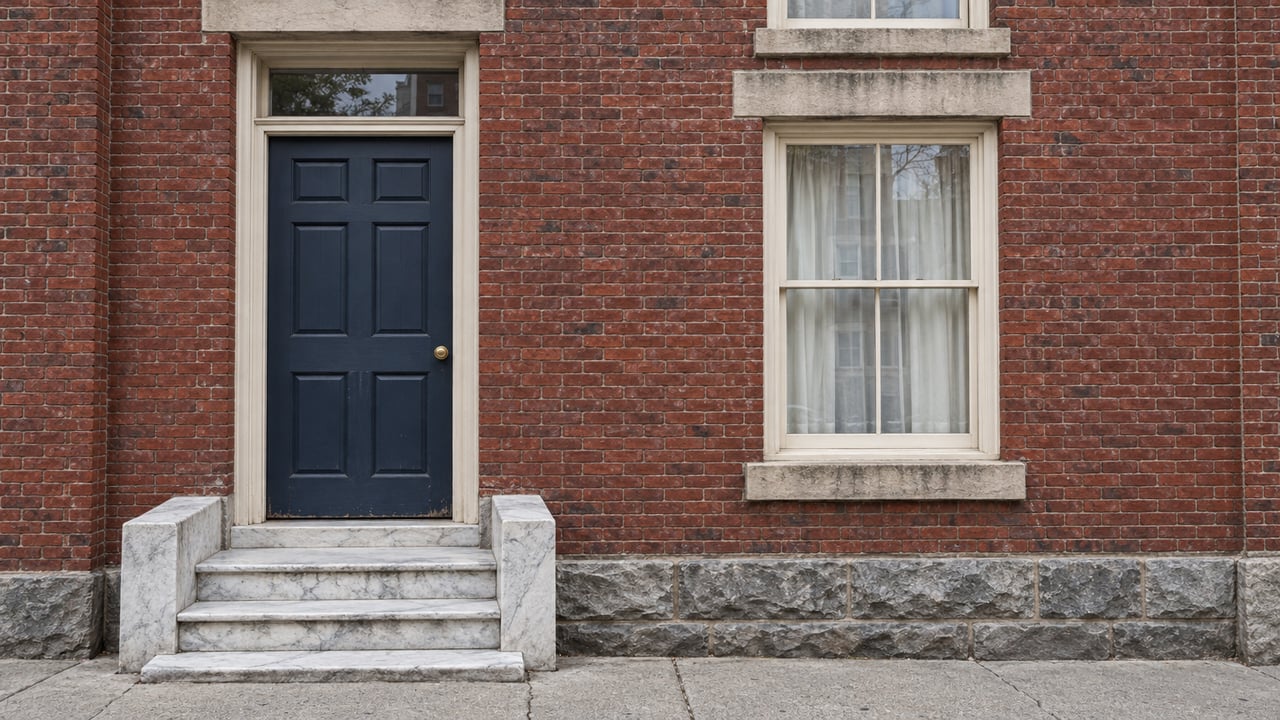
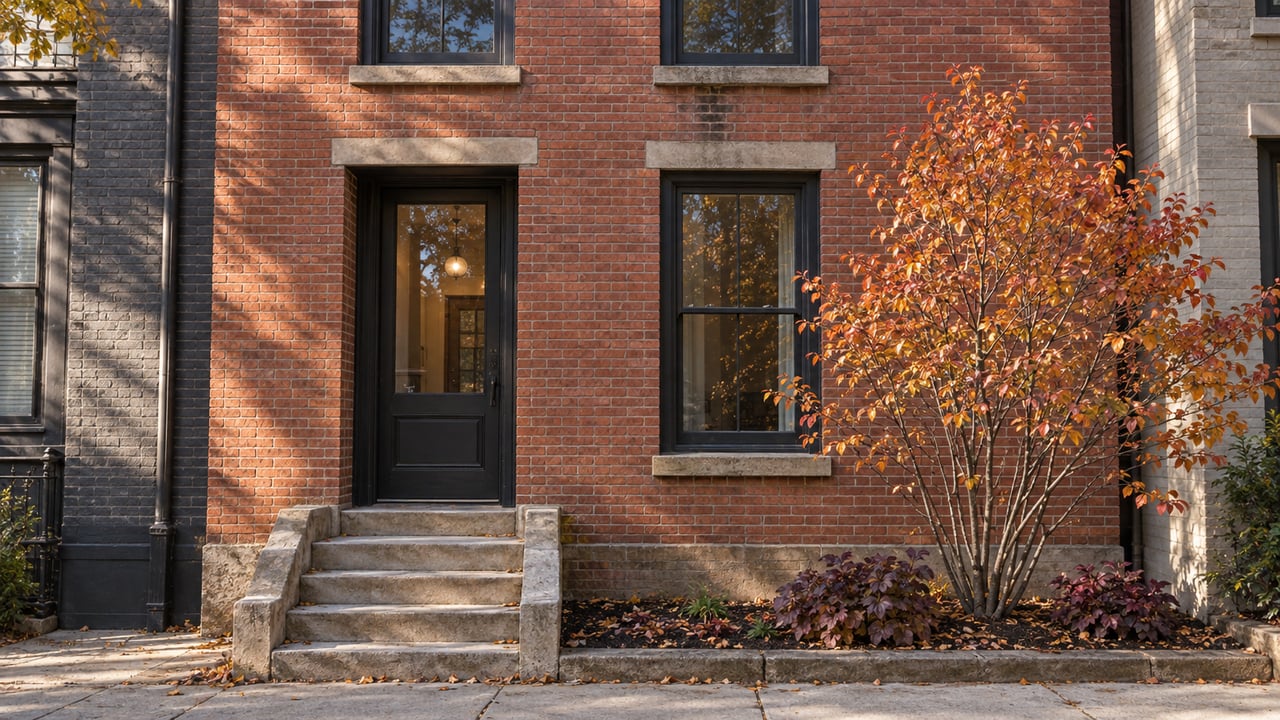
Baltimore’s historic preservation guidelines describe the classic rowhouse as a compact urban form with shared side walls, often paired with only a small rear yard. The same guidelines note that some rowhouse blocks have narrow sidewalks with little room for vegetation, while neighborhoods farther from the city center tend to have more separation between buildings, small front yards, and eventually larger lawns, as shown in the city’s historic preservation design guidelines.
That does not mean all rowhouses feel the same. Some historic districts use shared open space, and later rowhouse forms introduced features like porches, garages, and small yards while keeping the attached-home format. In other words, some rowhouses feel very urban, while others blend in touches that feel a bit more suburban.
Character and renovation potential
For some buyers, charm is a major reason to choose a Baltimore rowhouse. Brick facades, historic details, and established streetscapes can create a strong sense of place.
Baltimore also has a well-known rehab culture around rowhouses. The city’s CHAP historic tax credit offers a 10-year property tax credit for approved improvements to designated historic properties, and CHAP says more than 3,500 historic properties have been renovated using the credit, representing nearly $1.2 billion in private investment, according to this CHAP tax credit overview.
Know the rules before you renovate
If a rowhouse is in a historic district, exterior changes go through CHAP review. According to CHAP’s explanation of neighborhood association roles, neighborhood groups may comment, but approval authority rests with CHAP staff and the commission.
That structure can help preserve neighborhood character, but it also means some projects may take more planning and patience. If your dream home includes major exterior changes, you will want to understand those rules early in your search.
Cost and ownership patterns
Budget matters, but so does what your money buys in day-to-day lifestyle. City and county housing figures can help frame expectations.
The U.S. Census QuickFacts page shows a median owner-occupied home value of $229,600 in Baltimore City and $349,300 in Baltimore County. Median gross rent is also lower in the city at $1,331, compared with $1,627 in the county.
These are broad market snapshots, not neighborhood-by-neighborhood pricing guides. Still, they reinforce that the rowhouse-versus-suburban decision is often tied to different ownership patterns, price points, and expectations around space.
How to choose the right fit
If you are early in your search, try focusing on lifestyle first and house style second. The clearest answer usually comes from your routines, not just your Pinterest board.
Ask yourself:
- Do you want to walk to more of your daily needs?
- How important is a private driveway?
- How much outdoor space will you actually use?
- Do you enjoy historic character, or do you prefer simpler renovation flexibility?
- Would you rather have a tighter street feel or more separation from neighbors?
A rowhouse may be the right move if you value walkability, historic design, and a more compact footprint. A suburban-style home may be the stronger match if you want more detached living, easier parking, and more private outdoor space.
The good news is that Baltimore gives you both. You can find highly walkable rowhouse districts, quieter city blocks, and county neighborhoods with a very different pace. The key is choosing the version of home that supports the way you want to live.
If you want help weighing Baltimore city and suburban options with a clear, step-by-step strategy, Jonathan Rundlett can help you compare neighborhoods, financing paths, and next steps with confidence.
FAQs
What is the main difference between a Baltimore rowhouse and a suburban home?
- The biggest difference is usually lifestyle. A Baltimore rowhouse often offers more walkability, denser streets, and smaller private outdoor space, while a suburban-style home often offers more separation, easier parking, and larger yards.
Are Baltimore rowhouse neighborhoods walkable?
- Many are. Baltimore City has an average Walk Score of 64, and neighborhoods like Downtown, Mount Vernon, Fells Point, Federal Hill-Montgomery, and Canton score much higher.
Do Baltimore rowhouses usually have private parking?
- Not always. Many rowhouse areas rely on street parking, alley access, and permit systems rather than private driveways or garages.
Are all Baltimore rowhouses the same style?
- No. Baltimore rowhouses vary by age, design, and block pattern. Some feel very urban and compact, while later rowhouse styles may include porches, garages, or small yards.
Do historic Baltimore rowhouses have renovation rules?
- Yes, some do. If a property is in a historic district, exterior changes may require review and approval through CHAP before work begins.
Is Baltimore City or Baltimore County more owner-occupied?
- Baltimore County is more owner-occupied on average. Census data shows an owner-occupied rate of 66.4% in the county compared with 47.5% in Baltimore City.