You can love the idea of waking up near the water and still wonder what daily life actually feels like once the view becomes your reality. In Anne Arundel County, waterfront living can be beautiful, active, and deeply connected to the Chesapeake lifestyle, but it also comes with practical decisions about access, maintenance, weather, and commuting. If you are thinking about buying near the water here, this guide will help you understand the real tradeoffs, the real perks, and the questions that matter most before you make a move. Let’s dive in.
Waterfront life here is varied
Waterfront living in Anne Arundel County is not one single experience. The county has more than 533 miles of shoreline, and that creates a wide range of settings, from Annapolis harbor living to quieter river and bay communities.
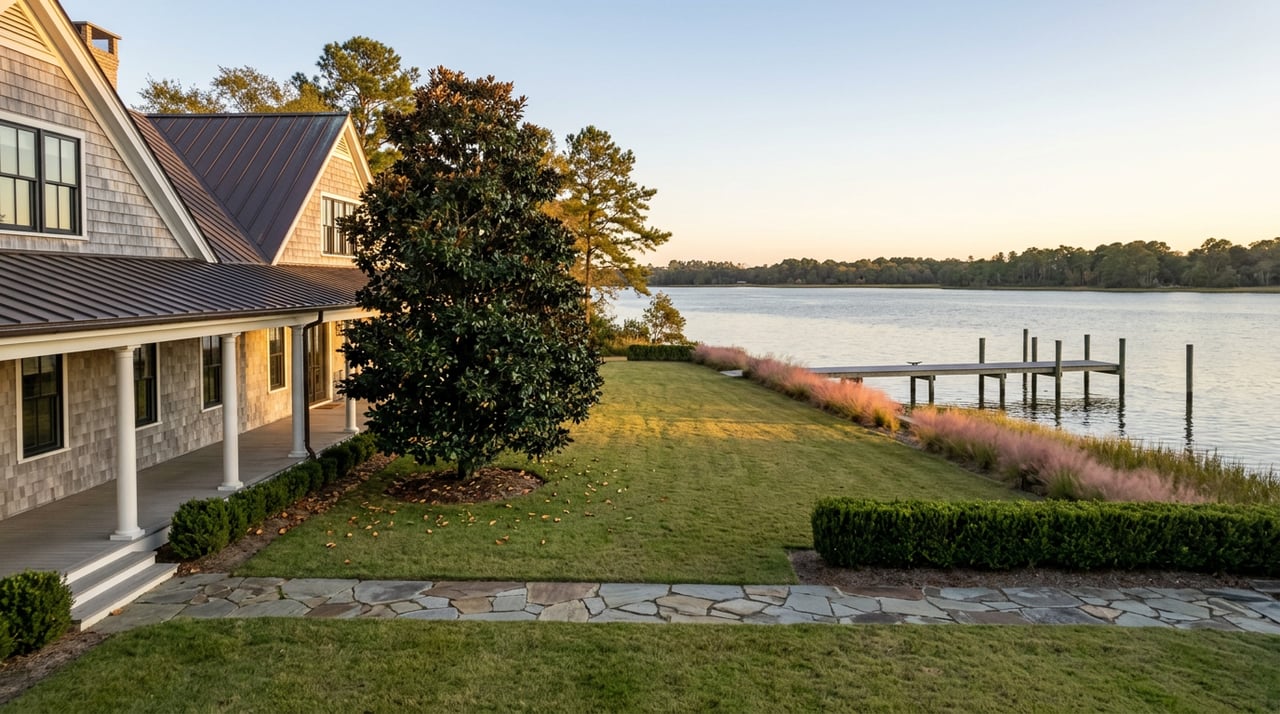
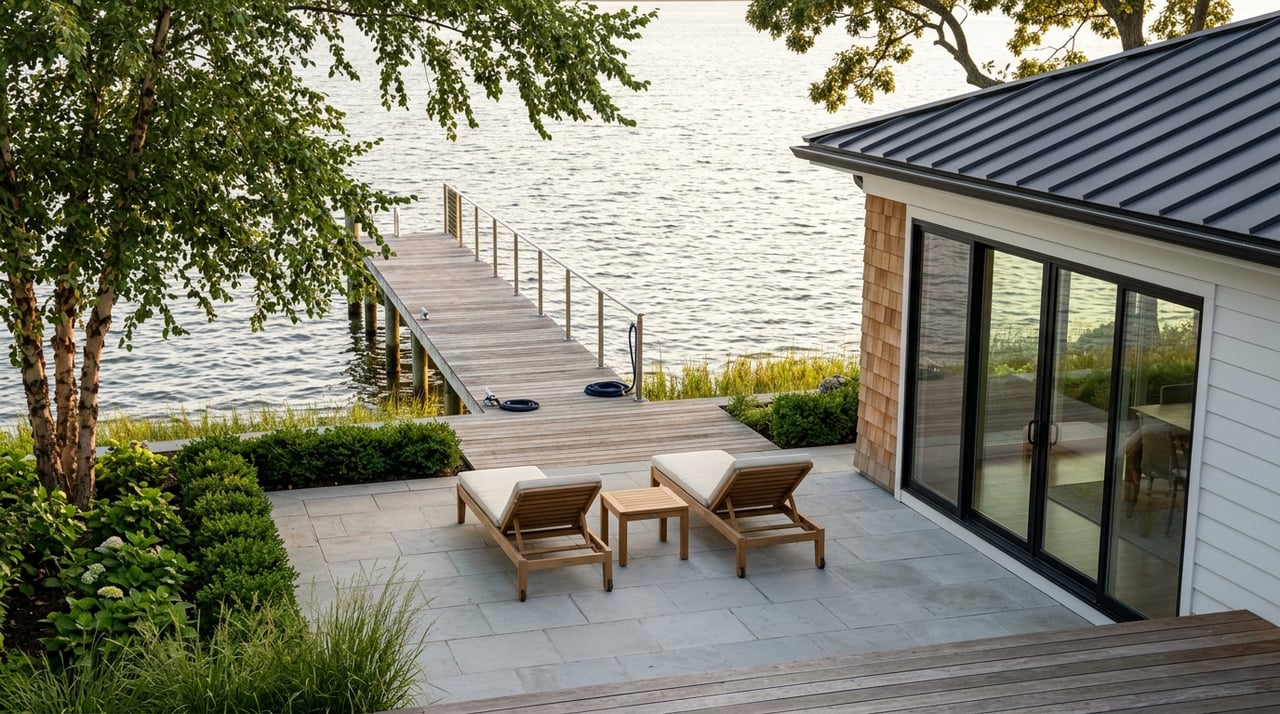
You might picture a private dock behind your house, but that is only one version of waterfront. In this market, “waterfront” can also mean a home with a water view, a neighborhood marina, assigned slip access, a mooring setup, or easy access to public ramps and launch sites.
The county itself is built around the water lifestyle. Boating, fishing, crabbing, sailing, swimming, and water skiing are all part of the local culture, and many buyers are drawn here because they want that daily connection to the Bay and its tributaries.
Waterfront communities span the county
Anne Arundel County offers waterfront options in many different areas. South River buyers often look at places like Riva, Edgewater, Selby-on-the-Bay, and Hillsmere Shores, while Herring Bay draws attention to communities such as Churchton, Deale, and Tracys Landing.
Other well-known waterfront areas include Pasadena, Severna Park, and Arnold. Each area offers a different mix of shoreline feel, road access, boating setup, and home style, so your search should start with how you want to live, not just with the word “waterfront.”
Annapolis offers a different waterfront feel
If you want a more walkable harbor setting, Annapolis stands apart. The city describes itself as dense and walkable, and the harbor area connects the water directly to restaurants, bars, City Dock activity, and the Naval Academy area.
Annapolis Harbor includes moorings, slips at City Dock, bulkhead space, and the well-known Ego Alley scene. That creates a lifestyle where the water is not just behind your home. It is woven into your errands, weekends, dining, and social calendar.
Water access matters more than views
One of the biggest mistakes buyers make is assuming that every water-oriented home gives them the same kind of access. In Anne Arundel County, you need to separate water view from water use very early in your search.
A property may sit near the shoreline and still not offer direct launching or dock rights. Another home may not be directly on the water but may include neighborhood marina access, a community pier, or proximity to public launch points that fit your lifestyle just as well.
Questions to ask about access
Before you fall in love with a property, confirm exactly what comes with it:
- Is there direct shoreline access?
- Is there a private dock, shared dock, slip, or mooring?
- Are there any assigned boat rights?
- Is the nearest launch public or private?
- If there is neighborhood access, what are the actual use rules?
In Annapolis, the harbormaster manages moorings and slips, while Anne Arundel County operates a wider network of public water-access sites. Across the county, that public network includes canoe and kayak launch sites, fishing access, swimming areas, boat ramps, paddle-in camping, dog beaches, and boat rentals.
Your routine may change with the shoreline
Life near the water often looks slower and more scenic, but it still needs to work on a normal Tuesday. That means thinking through your commute, daily errands, and how easily you can move between a shoreline community and the rest of the region.
County and regional access rely heavily on I-97, Route 50/301, and BWI. Annapolis also offers daily commuter bus service to Washington, DC, and county transit connections link to MARC, WMATA, and the BWI Express.
The countywide mean travel time to work is 28.9 minutes. That is a useful reminder that even in a water-oriented market, road access still matters.
Low-lying roads can affect mobility
Some waterfront and peninsula areas come with another transportation factor: flood vulnerability. The county is studying roadway exposure to sea level rise, storm surge, and heavier precipitation, which matters if your route in and out depends on lower-lying roads.
That does not mean you should avoid these areas automatically. It means you should look at the property and the surrounding access together, because the lifestyle includes both the home and the road that gets you there.
Budgeting for waterfront means more than price
Anne Arundel County’s overall housing profile shows a median sale price around $500,000, while Census QuickFacts lists a median owner-occupied home value of $467,900. Waterfront homes can sit above those figures depending on location, lot, access, and shoreline improvements.
The purchase price is only one part of the decision. Waterfront buyers should also think through maintenance, insurance, shoreline work, and any site-specific systems that can affect ownership costs over time.
Shoreline rules shape what you can do
In Maryland’s Critical Area, land within 1,000 feet of tidal waters or wetlands is subject to additional rules. The 100-foot buffer closest to the shoreline is even more restricted, and many changes involving vegetation, grading, or construction require county approval.
That matters if you are hoping to clear a view, expand outdoor space, change drainage, or make improvements near the water. A home may look flexible at first glance, but the permitted path for changes can be narrower than buyers expect.
Erosion control is a real ownership issue
If a shoreline needs protection, Maryland generally favors living shorelines. These use natural materials such as sand, native plants, rock, oyster shell, or similar features rather than relying first on harder structural approaches.
The state says most private shoreline owners must use nonstructural methods unless they qualify for a waiver. Project costs can range from about $100 to more than $1,000 per linear foot depending on site conditions, which is why shoreline condition should be part of your due diligence.
Sewer versus septic matters early
Some waterfront homes in the county use septic systems rather than public sewer. The county warns that poor maintenance or overloading can affect groundwater and surface water, so this is not a detail to leave until late in the process.
If you are comparing homes, ask early whether the property is on sewer or septic. That one answer can shape maintenance planning, future upgrades, and how you think about long-term ownership.
Flood risk is part of the conversation
In waterfront real estate, elevation and flood exposure should never be treated as side notes. Annapolis identifies downtown and City Dock, along with Eastport, as especially low-lying flood-prone areas, and both the city and county are actively working on flood resilience and sea-level-rise planning.
For buyers, the key point is simple: flood risk can affect monthly costs, lender requirements, and your comfort with a property over time. In higher-risk areas, flood insurance should be expected as part of the budget, and federally regulated or insured lenders can require it.
This is one reason waterfront searches need a more detailed review than a standard home tour. The view matters, but so do the elevation story, site drainage, and the practical cost of protecting your investment.
The best parts of waterfront living are real
The responsibilities are real, but so is the upside. For many buyers, Anne Arundel County delivers the kind of everyday lifestyle that is hard to replicate elsewhere in the region.
Waterfront dining is part of normal life here, whether that means heading into City Dock or spending a casual evening at a riverside crab house watching boat traffic. The boating calendar also shapes the local rhythm, with major Annapolis sailboat shows arriving in the spring and fall.
Recreation goes beyond the backyard
Even if your home is not directly on the shoreline, the county offers strong access to outdoor recreation. Quiet Waters Park includes trails, a dog beach, a cartop boat launch, concerts, and an ice rink, while Downs Park offers 236 acres and more than five miles of trails on the Bay.
That broader public access system is important because it expands what “waterfront living” can mean. In some cases, buying near the water with strong public access may support your lifestyle just as well as paying more for direct frontage.
Seasonal realities are part of the deal
Living near the water also means paying attention to conditions that change with weather and season. County swimming beaches are unprotected and have no lifeguards, and after one-half inch of rain or more, those beaches go under a no-swimming and no-direct-water-contact advisory for at least 48 hours.
Jellyfish may also be present, which is another reminder that Bay living is not a resort brochure. It is a natural environment, and the people who enjoy it most usually do so with good information and realistic expectations.
Stewardship is part of the lifestyle
Waterfront ownership in Anne Arundel County is also a form of stewardship. The county and city are active in sea-level-rise planning, flood resilience, roadway planning, and watershed restoration, and local programs like the Watershed Stewards Academy support residents who want to improve water quality.
That mindset matters because living near the shoreline is not just about what you get from the water. It is also about how your property choices and maintenance habits affect the water around you.
How to search smarter for waterfront property
If you are serious about buying near the water, a strong search starts with clarity. The best fit usually comes from matching your daily routine, boating goals, budget, and maintenance comfort level before narrowing down neighborhoods.
A practical waterfront search should focus on:
- Your preferred type of water access
- Commute and road reliability
- Flood exposure and insurance expectations
- Sewer versus septic setup
- Shoreline condition and erosion needs
- Improvement limits under Critical Area rules
- Year-round lifestyle, not just summer weekends
When you approach the search this way, you are less likely to overpay for a feature you will not use or overlook a limitation that will matter later. You can make a more confident decision based on how the property actually supports your life.
Waterfront living in Anne Arundel County can be incredible, but the best experience usually comes from going in with clear eyes. If you want help sorting through access, location, budget, and the day-to-day realities of buying near the water, connect with Jonathan Rundlett for clear, client-centered guidance.
FAQs
What does waterfront mean in Anne Arundel County real estate?
- Waterfront can mean direct shoreline, a private dock, shared access, a marina slip, a mooring, or a neighborhood with strong public water access. You should verify the exact access rights for each property.
Do waterfront buyers in Annapolis and Anne Arundel County need flood insurance?
- In higher-risk areas, flood insurance should be expected as part of your budget, and lenders can require it in some cases.
Are waterfront homes in Anne Arundel County always on public sewer?
- No. Some waterfront homes use septic systems, so you should confirm sewer versus septic early in your home search.
Are Anne Arundel County swimming beaches safe after rain?
- County beaches are unprotected and have no lifeguards, and after one-half inch of rain or more they are under a no-swimming and no-direct-water-contact advisory for at least 48 hours.
Is Annapolis the only waterfront option in Anne Arundel County?
- No. Waterfront living is available in many parts of the county, including areas around South River, Herring Bay, Pasadena, Severna Park, and Arnold.
What should buyers ask before purchasing a waterfront home in Anne Arundel County?
- Ask about the exact water access, flood exposure, insurance expectations, sewer or septic service, shoreline condition, and any restrictions on future improvements near the water.