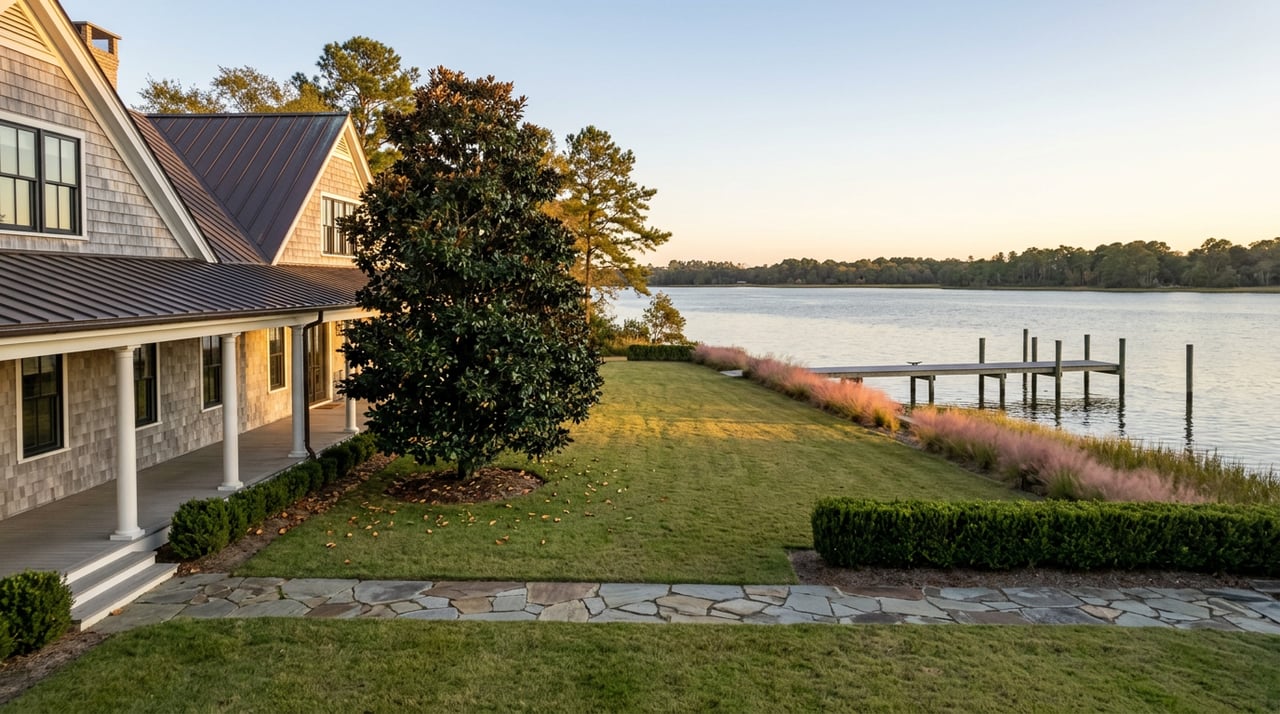
Two houses can sit on the same short street in Eastport, both within sight of Spa Creek, both listed as waterfront in the MLS. One closes for just under $800,000. The other closes for $4 million. The difference is not the roofline, the school zone, or even the water view. It's whether the seller can put a boat on a rope in front of the house.
That gap is not a fluke of one hot listing season. It is the predictable output of a state environmental law that most buyers only discover during due diligence, usually right after they have already fallen for the house.
The median you're reading is hiding a fork in the market
If you have priced Anne Arundel County by pulling a countywide number off a portal, you have priced a market that does not really exist as a single thing. As of May 2026, the county's median sale price stood near $521,000, a number pulled from roughly 1,163 active listings and just 1.9 months of supply. That figure describes a market where most transactions are ranch houses in Glen Burnie and colonials in Crofton, not Chesapeake waterfront.
Move the lens to Annapolis proper and the number jumps and starts to disagree with itself. Different trackers covering overlapping windows in 2026 put the city's median anywhere from about $597,000 to $722,000, depending on whether the source counted listing price, closed sale price, or a computer-generated value estimate. That spread alone should tell you something: even inside city limits, the "median" is an average of two very different products.
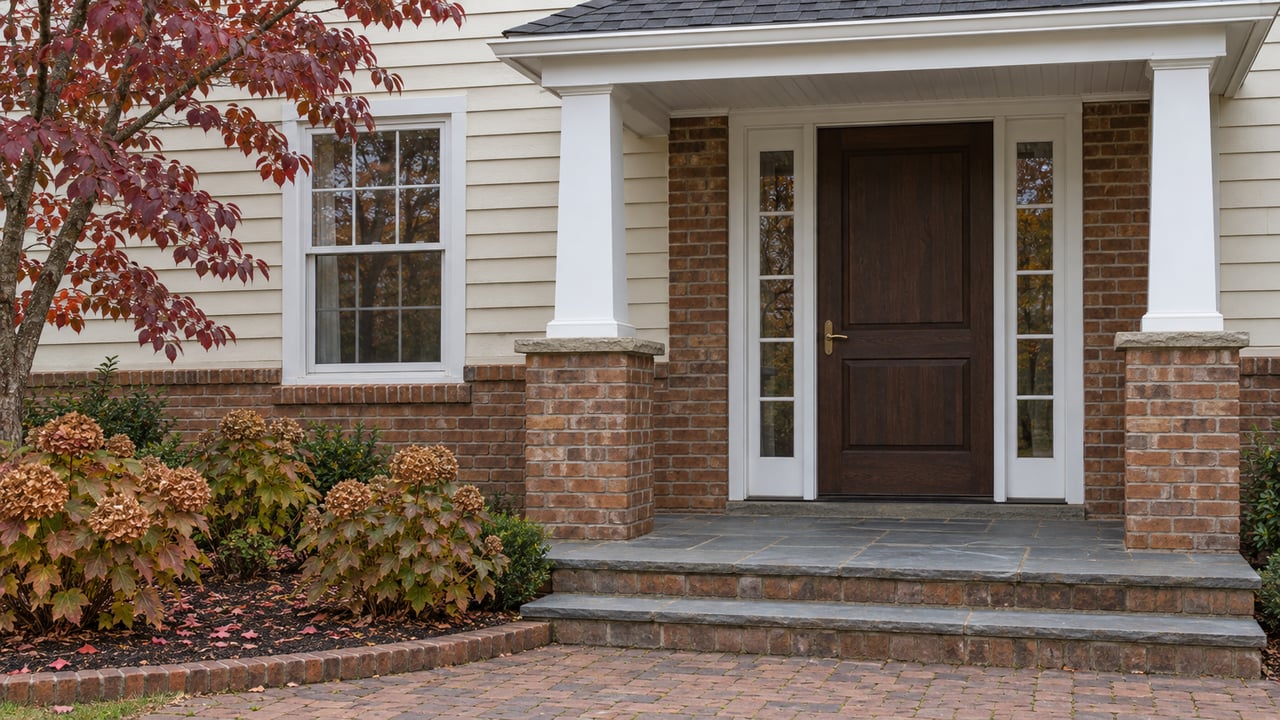
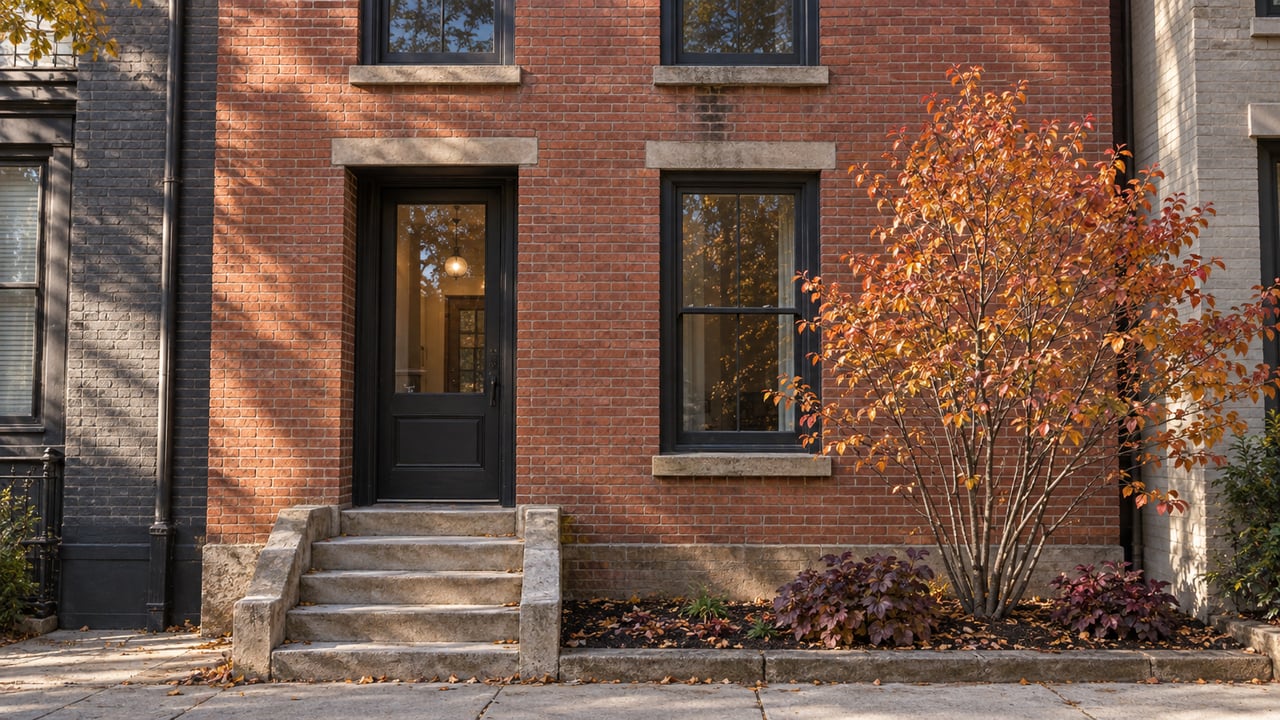
Inside Eastport, the peninsula neighborhood that Annapolitans call the maritime republic, the fork becomes impossible to ignore. Non-waterfront cottages and Craftsman-style bungalows a few blocks from the water have traded between $600,000 and $900,000 through 2026. Waterfront estates on Spa Creek or the Bay, the ones with a private pier out back, have closed anywhere from $2 million to $6 million in the same neighborhood, in the same calendar year. Zoom out to the ZIP code level and the pattern repeats: one recent analysis of 2026 Bright MLS data put the 21401 ZIP (which covers much of downtown and the Historic District) at a median around $865,000, while 21403 (Eastport and the peninsula south of downtown) sat closer to $645,000, and 21409 (the Broadneck side toward Cape St. Claire) landed near $669,900. None of those numbers tells you whether you're looking at a house that touches the water or a house that merely advertises being close to it.
The 45 percent question is about a rope, not a view
Here is the part that surprises most buyers who assume waterfront pricing is really just a premium for scenery. Housing economists who study Chesapeake-area sales have found that the ability to build and use a private dock can add close to 45 percent to a home's value compared with an otherwise identical property that cannot moor a boat at all. Not "can see the water." Can tie up to it.
That distinction matters because a lot of shoreline in Anne Arundel County is waterfront but functionally undockable when the water is too shallow at mean low tide. A buyer who assumes "waterfront" means "can dock a boat" is pricing the wrong product.
The buffer that decides who gets to build a dock
The mechanism behind all of this is the Chesapeake Bay Critical Area law. Anne Arundel County's Critical Area guidance defines the Critical Area as all land within 1,000 feet of tidal water or tidal wetlands, and within that zone there is a stricter 100-foot buffer measured from the mean high water line. On steep slopes or erodible soils, that 100-foot buffer expands, which means the buildable footprint on some waterfront lots is smaller than the lot lines suggest.
New construction on or below the water is its own process. Inside the City of Annapolis, any work performed below the mean high tide line requires a building permit, and a public hearing before the city's Board of Port Wardens is required for marine projects like new piers, pilings, or boat lifts. That board meets on the fourth Tuesday of each month, applications have to be submitted at least six weeks ahead of the hearing, and the city's own guidance notes the entire permitting process, once you add state and federal review, can take up to three months. A buyer who plans to close in thirty days and install a dock by summer is planning against a calendar the regulators do not share.
The rules just changed, and they're changing again this fall
This is not static law frozen in the 1980s when the state first drew the Critical Area boundary. On October 28, 2025, the Anne Arundel County Council approved Bill 67-25, which rewrote how the county defines and processes pruning versus clearing inside the Critical Area buffer and on steep slopes. The bill separates routine pruning, which follows ANSI arborist standards and does not trigger the same review, from clearing, which does, and it raises the mitigation bar when clearing is tied to a development project rather than simple upkeep. For a seller who wants to open up a water view before listing photos, the practical effect is a clearer, though still regulated, path for trimming versus a heavier one for taking trees down entirely.
That is not the only rulebook in motion. According to the county's Zoning Code Comprehensive Update page, the county introduced Bill 61-26, a comprehensive rewrite of the zoning ordinance's Article 18, on July 20, 2026, with hearings scheduled through September and October of this year. It is a broad update, not a Critical Area rewrite specifically, but it is a live reminder that the rules governing what you can build near this shoreline are being actively revised at the exact moment you might be shopping it. Buyers working from a five-year-old blog post about setbacks are working from an outdated map.
What actually belongs on a waterfront offer or listing
Before you write an offer on anything advertised as waterfront in Anne Arundel County, or price your own dock lot for the market, confirm these in writing rather than assuming them from the listing photos.
- Current pier permit status and whether any dock, lift, or bulkhead work was done with or without an approved Critical Area buffer plan
- Documented riparian rights
- Water depth at mean low water where a dock would sit, which determines what size boat the property can actually accommodate
- A current bulkhead or seawall inspection report, given how much of that infrastructure was built decades before current standards
- Any history of buffer disturbance, tree clearing, or grading near the shoreline
None of these show up in a standard home inspection. They live in permit files at the county's Office of Planning and Zoning and, inside city limits, at the Annapolis Board of Port Wardens.
Two more things worth knowing before you shop this market
Can every waterfront lot accommodate a dock? Not necessarily. Water depth may not support one.
How long does dock permitting actually take? Inside Annapolis, plan on roughly three months once state and federal review are added to the city's own Board of Port Wardens hearing cycle, which meets monthly and requires applications six weeks in advance. Build that timeline into any contract contingency rather than assuming a summer install.
The county's Critical Area rules are public record, and the difference between a $700,000 waterfront cottage and a $4 million dock lot two doors down usually comes down to exactly the paperwork described above. If you are comparing waterfront neighborhoods across Anne Arundel County, or trying to figure out what your own shoreline is actually worth once dock rights are priced correctly, Jonathan Rundlett can walk the permit history with you before you write an offer or set a list price. Start with a Free Home Valuation and get a read on your property that accounts for what the water in front of it can legally do.
This article is general information, not legal, tax or financial advice. Consult a qualified professional about your situation.