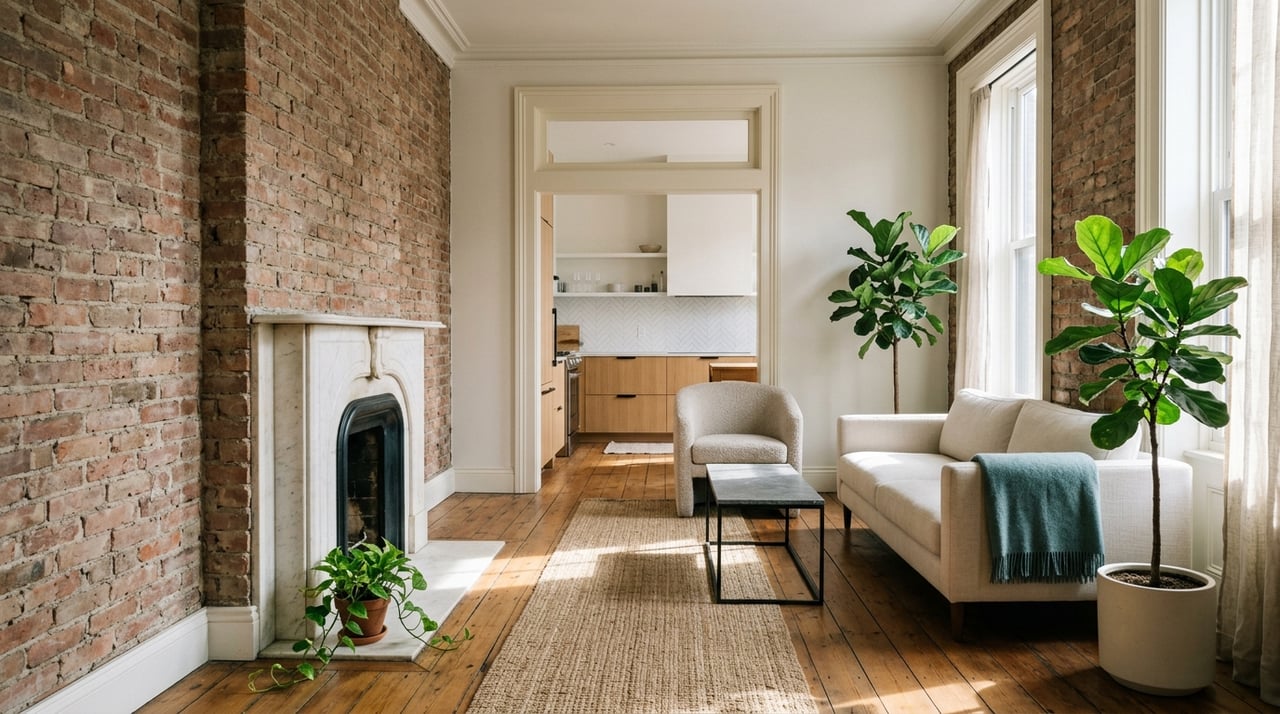
You can fall in love with a Baltimore home in seconds, then spend weeks figuring out whether that charm is worth the upkeep. In a city known for rowhouses, original brick, and block-by-block character, that decision is especially common for buyers trying to choose between older details and updated convenience. The good news is that you do not have to guess your way through it. With the right questions, you can compare historic charm and renovated comfort in a clear, practical way. Let’s dive in.
Baltimore Homes Start With Context
Baltimore is still very much a rowhouse market. According to Maryland planning data, 50.1% of the city’s housing units are 1-unit attached, and 41.5% were built in 1939 or earlier.
That matters because your choice is often not between an old house and a brand-new one. In many Baltimore neighborhoods, you are really comparing an older rowhouse with original features, a renovated older home, or a smaller number of newer infill properties.
Baltimore also has more than 37 local historic districts. That means preservation rules can shape what you can change on many homes, even when a property looks freshly updated from the outside.
What Historic Charm Means in Baltimore
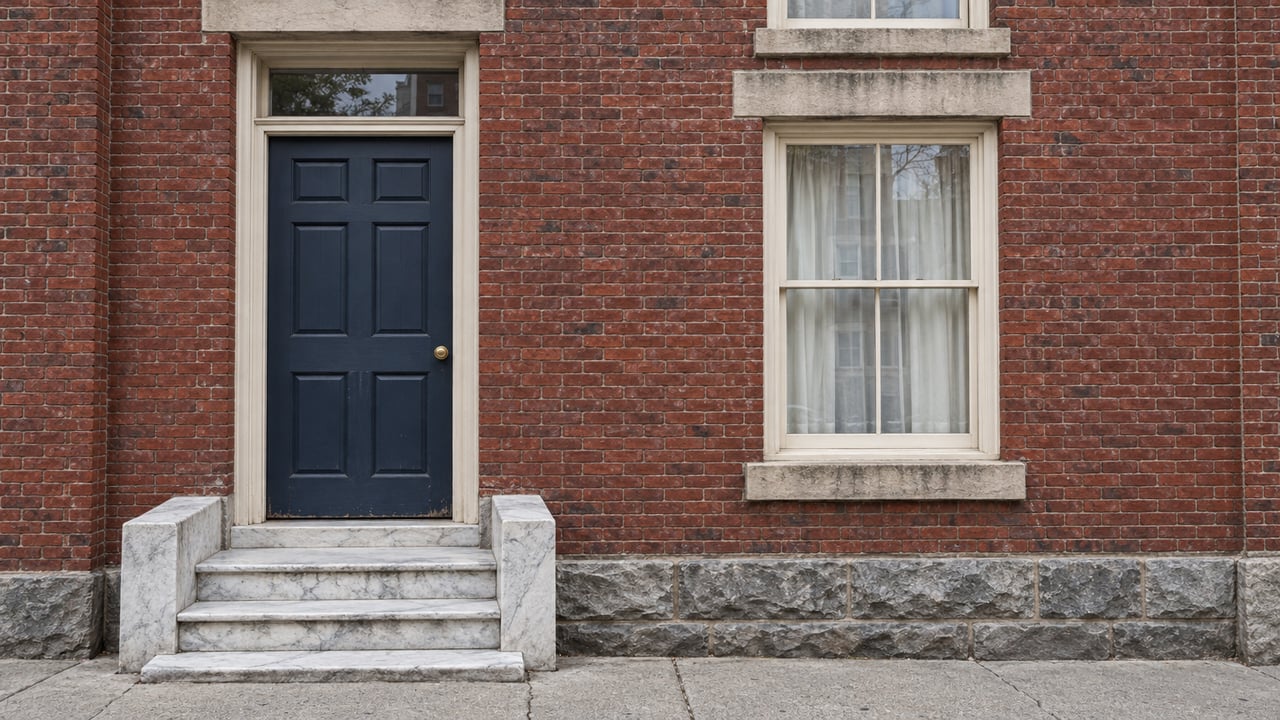
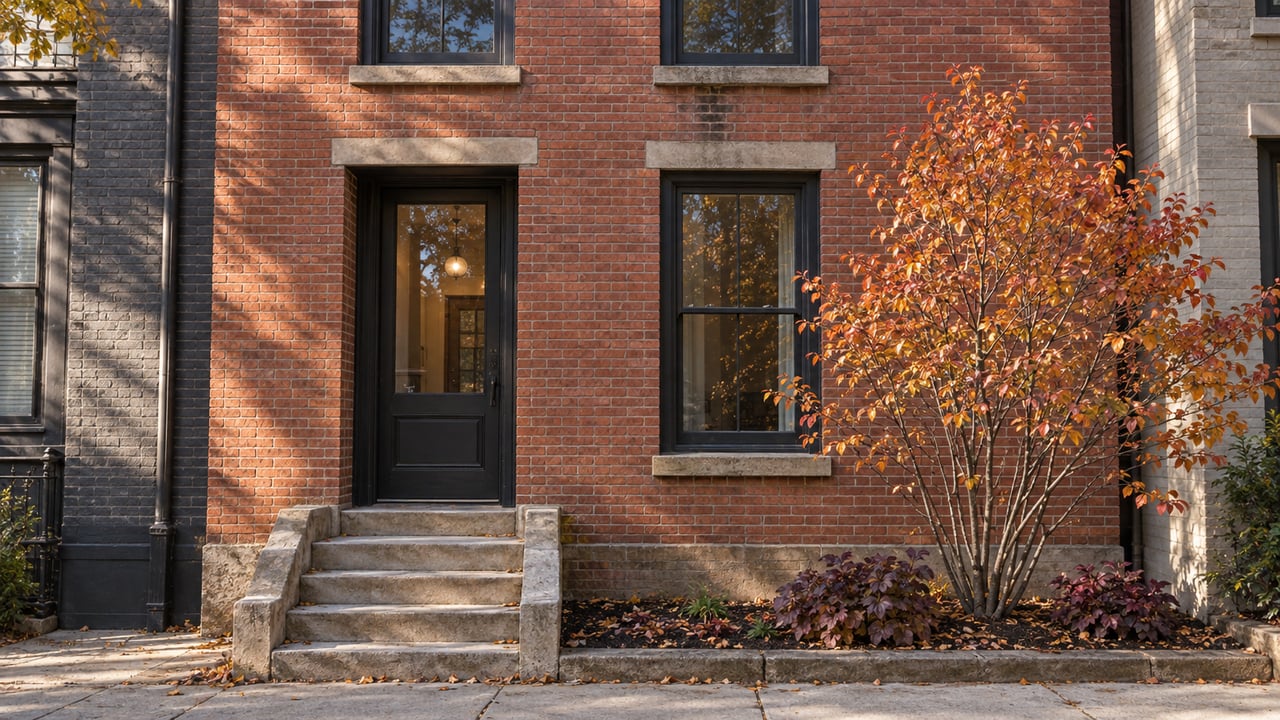
In Baltimore, historic charm usually starts with the rowhouse itself. Features like brick facades, marble steps, transoms, and original door and window openings give many homes a look that feels tied to the city’s history.
That character can vary from block to block. Baltimore Heritage notes that older homes may include different types of brick, such as early salmon brick, pressed brick, or iron-spot brick, which helps explain why homes can age and weather differently across the city.
For many buyers, that appeal is emotional and visual. You may love the original scale, the texture of the masonry, and the sense that the house reflects the surrounding streetscape rather than copying newer construction.
What Comes With Historic Character
Charm is only one part of the picture. Older materials, older layouts, and historic designation can all affect how you maintain and improve the property over time.
CHAP design guidelines place importance on preserving character-defining features. That can include retaining roof shape, door and window openings, and repairing historic materials rather than replacing them when possible.
If you like the look of an older home, it helps to ask yourself a simple question: are you also comfortable with the care that often comes with it? In Baltimore, historic appeal and ongoing stewardship often go hand in hand.
What Renovated Comfort Really Means
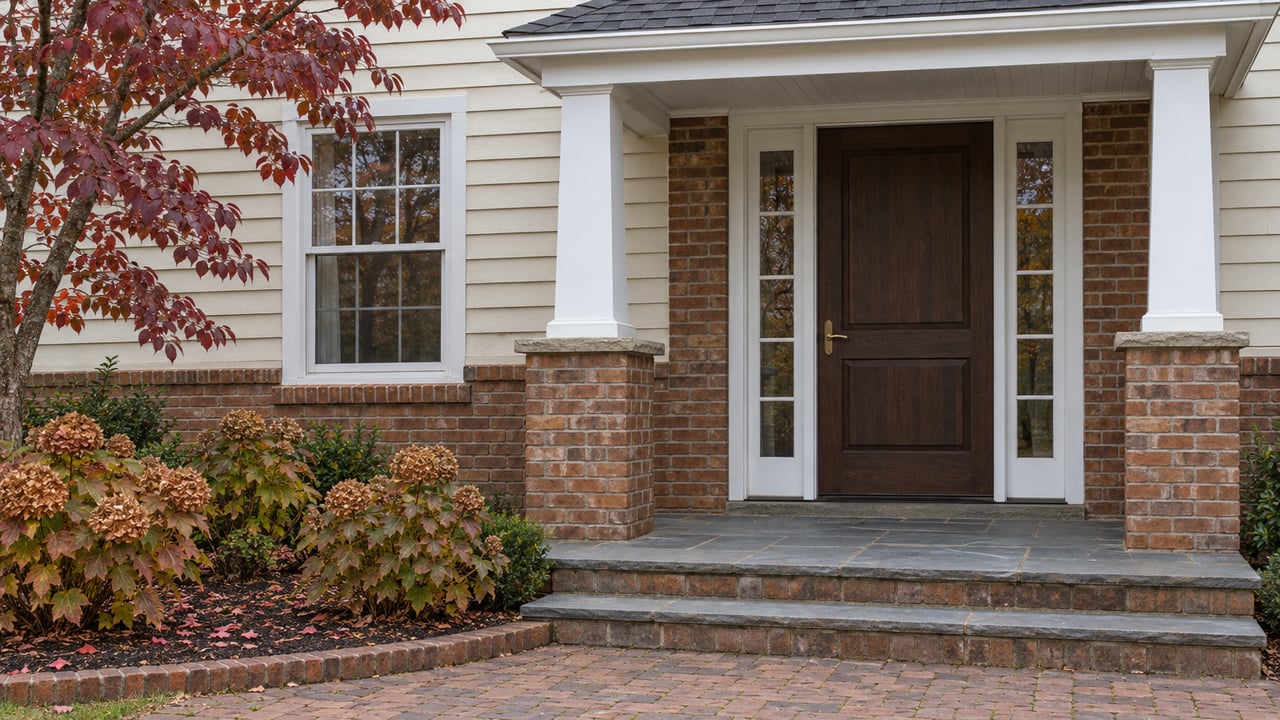
A renovated home can feel easier at first glance. Updated kitchens, newer baths, and refreshed finishes may reduce the amount of immediate work you need to take on after closing.
But in Baltimore, a renovated appearance does not always mean a simpler property. A home may still have an older shell, shared walls, masonry concerns, or lead-paint considerations, even if the interior looks fully modern.
That is why the quality of the renovation matters more than the word “renovated” itself. You want to know what was updated, whether the work was permitted, and whether any exterior changes required local review.
Historic District Rules Still Matter
One of the biggest buyer surprises in Baltimore is that exterior updates may still be regulated on renovated homes. Properties in historic districts, on the Landmark List, or on the Potential-Landmark List may require CHAP review before exterior alterations.
Baltimore’s code also says many exterior improvements in CHAP districts are referred for Authorization to Proceed. So even if a home has newer windows, doors, or exterior finishes, it is smart to confirm how that work was reviewed and approved.
This is not meant to scare you away from renovated homes. It is simply a reminder that updated does not always mean unrestricted.
Compare Three Decision Buckets
A helpful way to compare Baltimore homes is to break the decision into three buckets: architecture, regulations, and upkeep.
If you want original masonry, transoms, and historic details, you may also need to be comfortable with preservation review, lead-related due diligence, and maintenance that can be more specialized than in a newer home.
If you want more day-to-day predictability, a renovated home may feel like the better fit. In that case, your focus should shift toward documentation, system updates, permit history, and proof that major work was completed properly.
Inspect Masonry and Moisture Carefully
Older Baltimore homes deserve extra attention to masonry and moisture. CHAP advises owners to inspect masonry walls for cracking, spalling, open joints, movement, discoloration, and interior dampness.
Drainage matters too. CHAP recommends keeping roof and site drainage in good condition and avoiding waterproofing coatings that can trap moisture inside masonry walls.
Mortar is another key checkpoint. CHAP notes that mortar joints often deteriorate faster than the masonry units themselves, so repointing with compatible materials is an important part of long-term care.
Look Closely at Historic Windows
Windows are another place where buyers often assume replacement is the only answer. In many Baltimore homes, that is not necessarily true.
CHAP states that well-maintained historic windows can last indefinitely. The guidelines also note that much heat loss may happen around leaky frames or sashes rather than through the glass itself.
That means weatherstripping or storm windows may improve comfort without automatically replacing original windows. If windows are a concern during your search, ask whether the issue is condition, air leakage, or simply appearance.
Lead Due Diligence Is Essential
If you are considering an older Baltimore home, lead-based paint should be part of your process. EPA says the older the home, the more likely it contains lead-based paint, and gives the example that 87% of homes built before 1940 have some lead-based paint.
EPA also says buyers of most pre-1978 housing have the right to know whether known lead hazards exist before signing a contract. Sellers must disclose known information and provide available reports.
Maryland adds that homes built before 1978, especially before 1950, may contain lead paint. If you are planning to remodel an older home, the state says you should consider inspection, and DIY lead test kits are not accepted by Maryland for official use.
Think Ahead if You May Rent It Later
Some buyers are not shopping as investors today, but they want flexibility later. If you might convert the property to a rental in the future, Maryland’s rental lead rules matter.
The state says pre-1978 rental dwellings must meet risk-reduction standards at turnover or when defective paint is reported. Rental inspections must be performed by accredited professionals.
Maryland also states that owner-occupied dwellings are not regulated under the rental lead law. Still, if future rental use is part of your long-term plan, it makes sense to factor those requirements into your buying decision now.
Financing Options Can Shape the Choice
Sometimes the right home is the one that best matches your financing strategy. If you love a property with character but know it needs work, HUD’s 203(k) program may help by insuring mortgages that combine purchase or refinance with rehabilitation on homes that are at least a year old.
HUD lists eligible improvements such as roof work, plumbing, HVAC, structural repairs, and modernization. If the work does not involve a purchase or refinance, HUD also points borrowers to the Title 1 Property Improvement Loan Program.
For many buyers, this can change the conversation from “Can I afford the updates?” to “Can I structure the purchase and repairs in a manageable way?” That can be especially useful in a city with so much older housing stock.
Tax Credits May Reward the Right Project
If you are buying a certified historic structure to live in, Maryland’s historic-rehab incentive may be worth a closer look. The Maryland Historical Trust’s Homeowner Tax Credit can provide a state income tax credit equal to 20% of eligible rehabilitation expenses, capped at $50,000 in a 24-month period, for a single-family owner-occupied certified historic structure.
Baltimore City’s CHAP tax credit is separate. It offers a 10-year city property-tax credit for eligible improvements, and significant improvements are defined in city code as construction costs equal to or greater than 25% of the property’s pre-improvement full cash value.
One key detail is timing. CHAP pre-approval is required before work begins, so this is something to verify early rather than after renovation plans are already in motion.
Do Not Forget Post-Closing Tax Relief
If the home will be your principal residence, the Maryland Homestead Tax Credit is another important item. The state says homeowners must submit a one-time application to establish eligibility.
Because the credit applies only to the property used as your principal residence, it is best treated like standard post-closing paperwork. It is a small step that can support long-term affordability.
Baltimore Assistance Programs May Help
For first-time buyers, local and state assistance may also influence whether you choose a move-in-ready renovation or a home that needs more work. Live Baltimore says the city’s First-Time Homebuyers Incentive Program typically provides $10,000 to $20,000 or more in down payment and closing-cost help.
The program also requires homeownership counseling before an offer is made. Maryland’s 1st Time Advantage loan line is designed to offer eligible first-time buyers the lowest 30-year fixed rate available for Maryland Mortgage Program loans and may include zero-percent deferred down-payment assistance.
When your budget is tight, these programs can create more flexibility in the kind of home you pursue.
Ground Rent Needs a Clear Answer
Ground rent is one Baltimore-specific issue that should never be left vague. Maryland SDAT says it does not collect ground rent or manage leases because ground rent is a private transaction payable to the lease owner.
As a buyer, you should verify the property’s ground-rent status in the registry and ask whether redemption is possible. This is one of those local details that can be easy to miss if you are focused only on finishes and layout.
Questions To Ask During a Tour
When you are comparing historic charm and renovated comfort, the best tours are the ones where you leave with real answers. These questions can help you look past surface appeal:
- Is the property in a historic district, on the Landmark List, or on the Potential-Landmark List?
- Did exterior work receive CHAP Authorization to Proceed when required?
- Are there permit records for roof, windows, masonry, electrical, plumbing, HVAC, or structural work?
- What lead disclosures, reports, or certificates exist if the home was built before 1978?
- Is there ground rent, and if so, has it been registered or redeemed properly?
- Which financing paths may fit this property, such as a standard mortgage, FHA 203(k), Maryland Mortgage Program options, city assistance, or historic tax credits?
Which Type of Home Fits You Best
If you are drawn to original materials and the feel of an established streetscape, a historic Baltimore home may be the right fit. You just want to go in with clear expectations about preservation review, lead due diligence, and maintenance over time.
If you value convenience, updated systems, and fewer immediate projects, a renovated home may feel more comfortable. Even then, it is still important to verify permits, approvals, and the quality of the work rather than relying on finishes alone.
In the end, this is less about choosing the “better” home type and more about choosing the one that matches your goals, budget, and tolerance for future projects. With a city as layered as Baltimore, the smartest move is to stay curious, ask specific questions, and let the facts guide the decision.
If you want help sorting through Baltimore homes with a clear strategy, local perspective, and step-by-step guidance, Jonathan Rundlett can help you weigh charm, condition, financing, and long-term fit with confidence.
FAQs
What does historic charm usually mean in Baltimore homes?
- In Baltimore, historic charm often refers to rowhouse features like brick facades, marble steps, transoms, and original door or window openings, along with the visual character of older block-by-block architecture.
How common are older homes in Baltimore City?
- Maryland planning data says 41.5% of Baltimore City housing units were built in 1939 or earlier, and 50.1% are 1-unit attached homes, which helps explain why older rowhouses are such a major part of the market.
Do renovated Baltimore homes still need historic review?
- Yes, they can. In Baltimore, properties in historic districts, on the Landmark List, or on the Potential-Landmark List may still require CHAP review before exterior alterations.
What should buyers inspect in older Baltimore rowhouses?
- Buyers should pay close attention to masonry, moisture, mortar joints, drainage, windows, permit history, lead disclosures, and whether exterior work followed local approval requirements.
What should buyers know about lead paint in older Baltimore homes?
- EPA says older homes are more likely to contain lead-based paint, and buyers of most pre-1978 housing have the right to receive known lead information before signing a contract.
What is ground rent in Baltimore real estate?
- Ground rent is a private arrangement where payment is made to the lease owner, and buyers should verify a property’s ground-rent status and ask whether redemption is available.
Are there financial incentives for buying and improving historic homes in Maryland?
- Yes. Eligible owner-occupants may benefit from the Maryland Historical Trust Homeowner Tax Credit, and Baltimore City also offers a separate CHAP property-tax credit for qualifying improvements with pre-approval before work begins.
Can first-time buyers get help buying a home in Baltimore?
- Yes. Baltimore and Maryland both offer programs that may provide down payment, closing-cost, or loan-rate support for eligible first-time buyers.